Climate & Asthma Information
Welcome to our climate and asthma information page. Here, we provide resources and insights to help you understand the connection between climate conditions and asthma, and how to manage asthma effectively. Explore our content to learn more and take proactive steps for your respiratory health.

🌼 CLIMATE TRIGGERS AND IMMUNE RESPONSES
Seasonal Pollen Exposure
Seasonal pollen is one of the most common environmental triggers for asthma. During spring and fall, pollen levels rise due to increased plant growth and changing weather conditions. When pollen is inhaled, the immune system may mistakenly identify it as a harmful substance.
This immune overreaction leads to the release of histamine and other inflammatory chemicals. These substances cause swelling in the airways, increased mucus production, and airway narrowing. As a result, individuals with asthma may experience coughing, wheezing, chest tightness, and shortness of breath.
Climate change has contributed to longer pollen seasons and higher pollen concentrations, increasing exposure and worsening symptoms for asthmatic individuals.
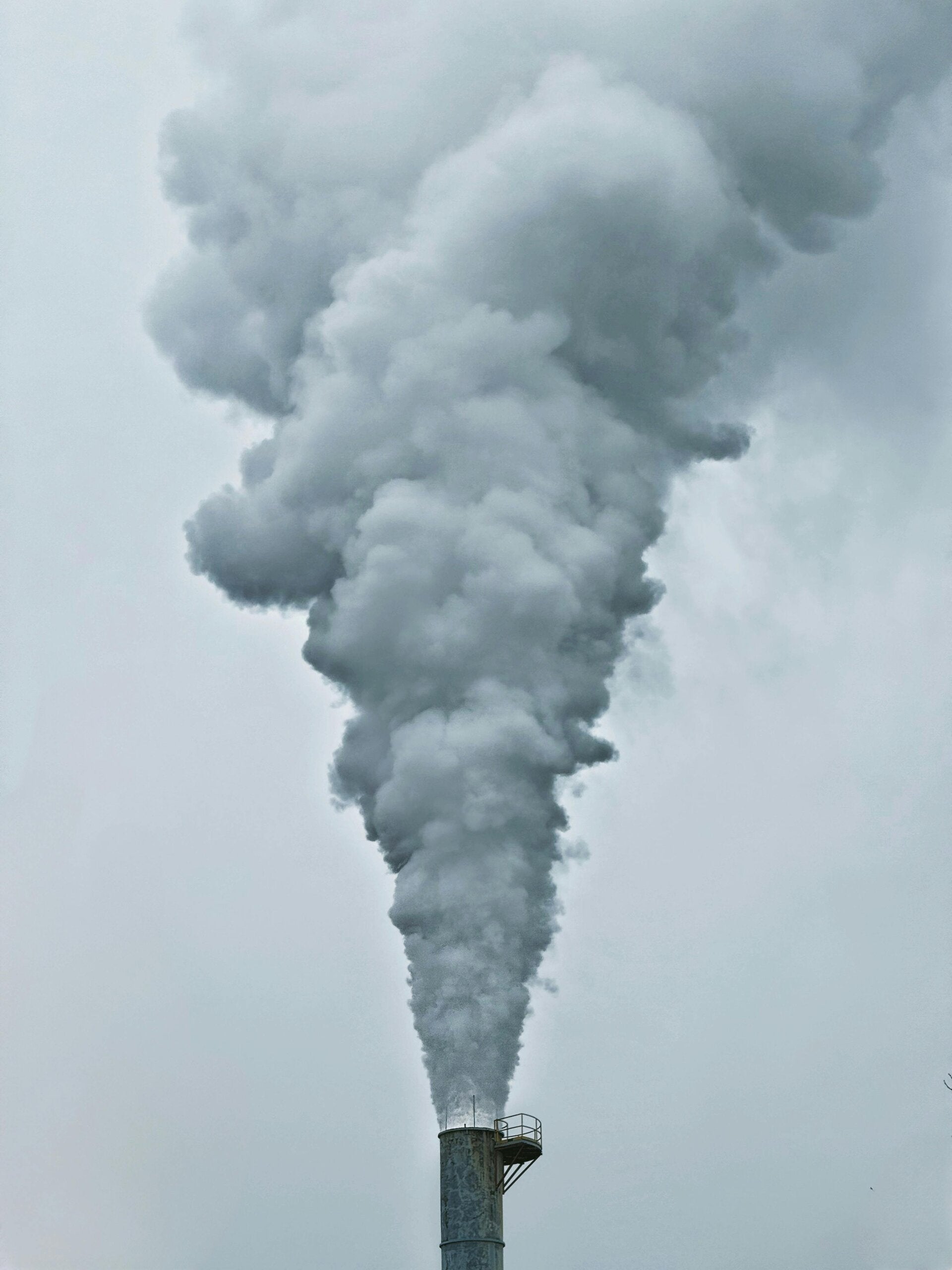
Wildfire Smoke and Air Pollution
Wildfire smoke and air pollution contain fine particulate matter and toxic chemicals that can penetrate deep into the lungs. These particles irritate the airway lining and disrupt the epithelial barrier that normally protects the respiratory system.
Exposure to wildfire smoke has been shown to increase levels of inflammatory cytokines such as IL-6 and TNF-α. These immune markers indicate an activated immune response that leads to airway inflammation and tissue damage. Even short-term exposure to smoke can alter immune cell function and worsen asthma symptoms.
As climate change increases the frequency and intensity of wildfires, individuals with asthma face higher risks from prolonged smoke exposure and declining air quality.

Temperature and Humidity Effects
Develop a personalized asthma action plan in consultation with your healthcare provider. This plan should outline daily asthma management, steps to take when symptoms worsen, and emergency contact information. Be prepared and stay in control of your asthma.
Climate change is increasing exposure to environmental triggers that negatively affect individuals with asthma. Longer pollen seasons, rising temperatures, worsening air pollution, and more frequent wildfires all contribute to heightened immune responses and increased asthma flare-ups.
Understanding how climate conditions influence immune function is essential for improving public health awareness and supporting individuals with asthma. This research emphasizes the need for greater attention to environmental health and preventative strategies as climate conditions
Create Your Own Website With Webador